Most field service companies don't have a hiring problem. They have a keeping problem. Replacing a tech costs somewhere between three and six months of that tech's wages once you add up recruiting, training, the jobs that run slow while the new person learns, and the callbacks they generate on the way up the curve.
The reasons people leave are boringly consistent across the industry: unpredictable schedules, pay disputes, feeling like a pair of hands instead of a person, and managers who only show up when something's wrong.
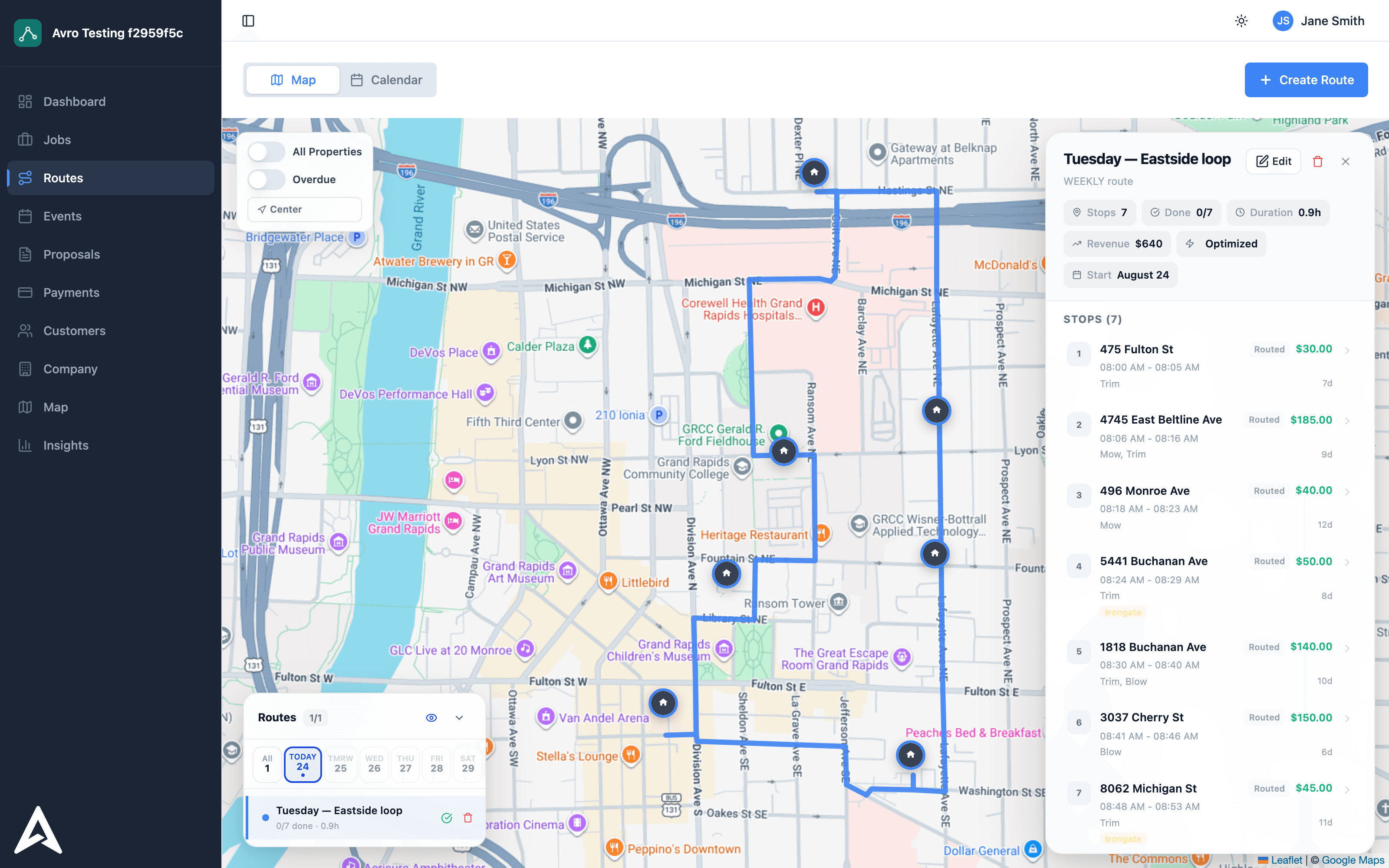
Crews plan their lives around your routes. When the day's route is built the night before and the stops don't shuffle at 7 a.m., people can pick their kids up on time. Route software helps here in an unglamorous way: an optimized route with realistic service times is a promise you can actually keep.
Nothing sours a good tech faster than arguing about hours. Clock-in tied to the job, visible timecards, and time-off requests that get answered in the app take the whole category of "I know I worked that Saturday" arguments off the table.
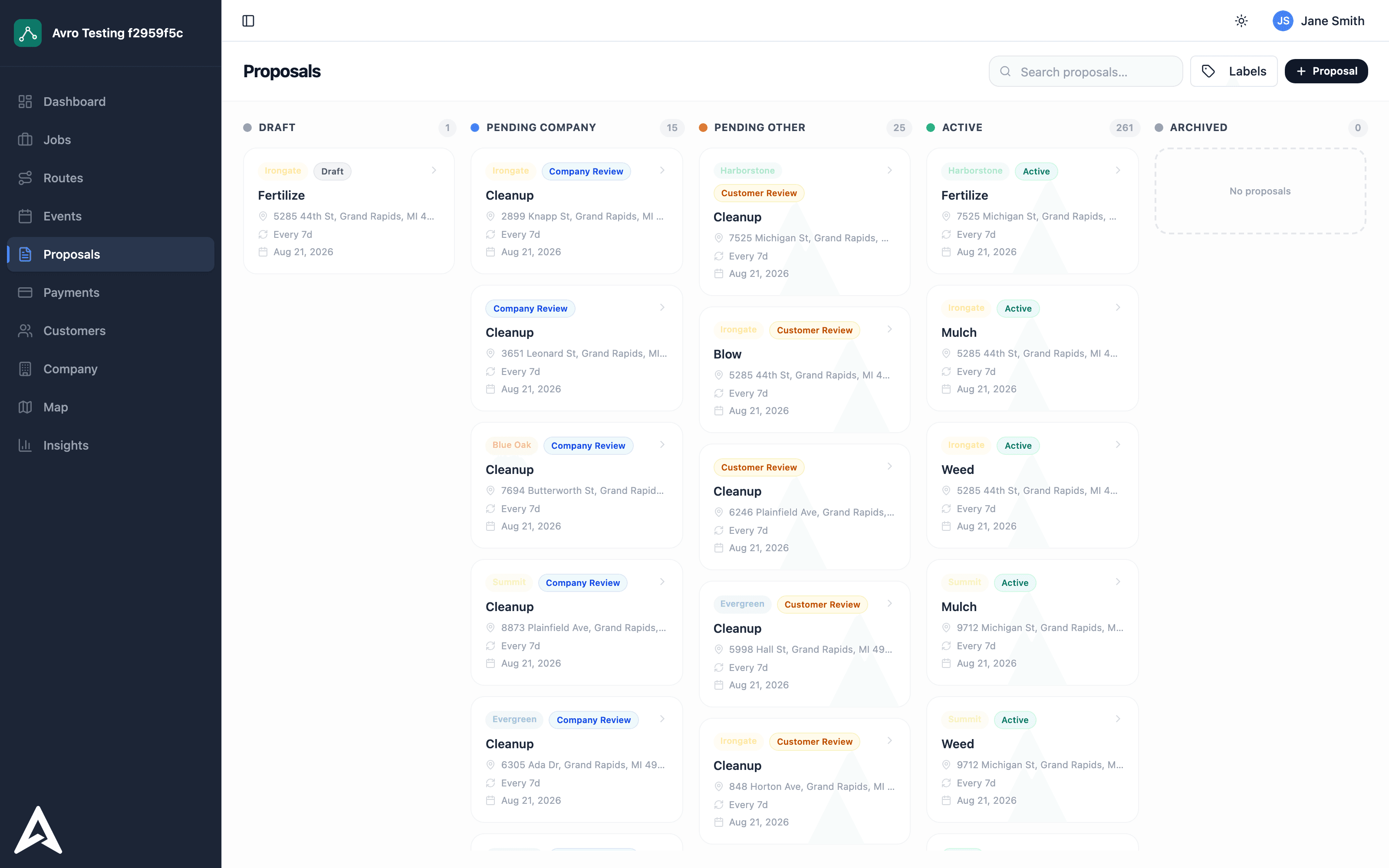
The techs who stay are the ones who grow. Letting crews quote add-on work from the driveway — trimming the hedge they noticed, the gutter clean the customer asked about — turns a laborer into someone building the business. Pay a cut on accepted proposals and you've built a career ladder that doesn't require a desk.
Track tenure the way you track gross margin. If your average tech leaves at month nine, every process change that pushes that to month fourteen is worth real money — usually more than the next truck.