Two lawn companies charge the same $45 a cut. One nets 15%, the other nets 40%. The difference is almost never the price — it's what happens between the stops.
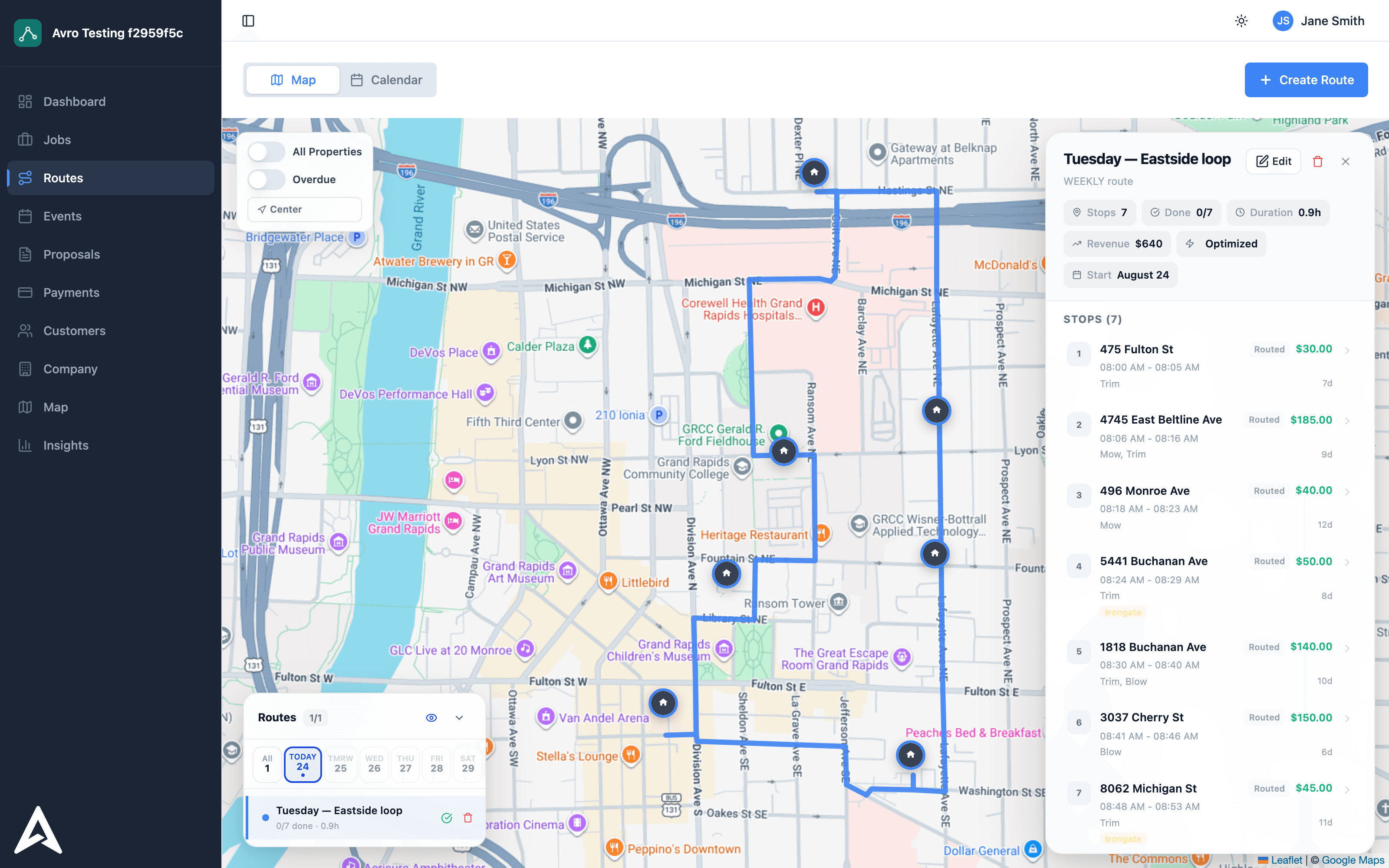
A crew that services 14 stops in a day with 3 hours of windshield time is paying wages, fuel, and truck wear for zero revenue 40% of the day. Tightening route order is the highest-leverage change most operators can make, because it costs nothing and compounds daily. Ten recovered minutes per crew per day is roughly a full extra stop.
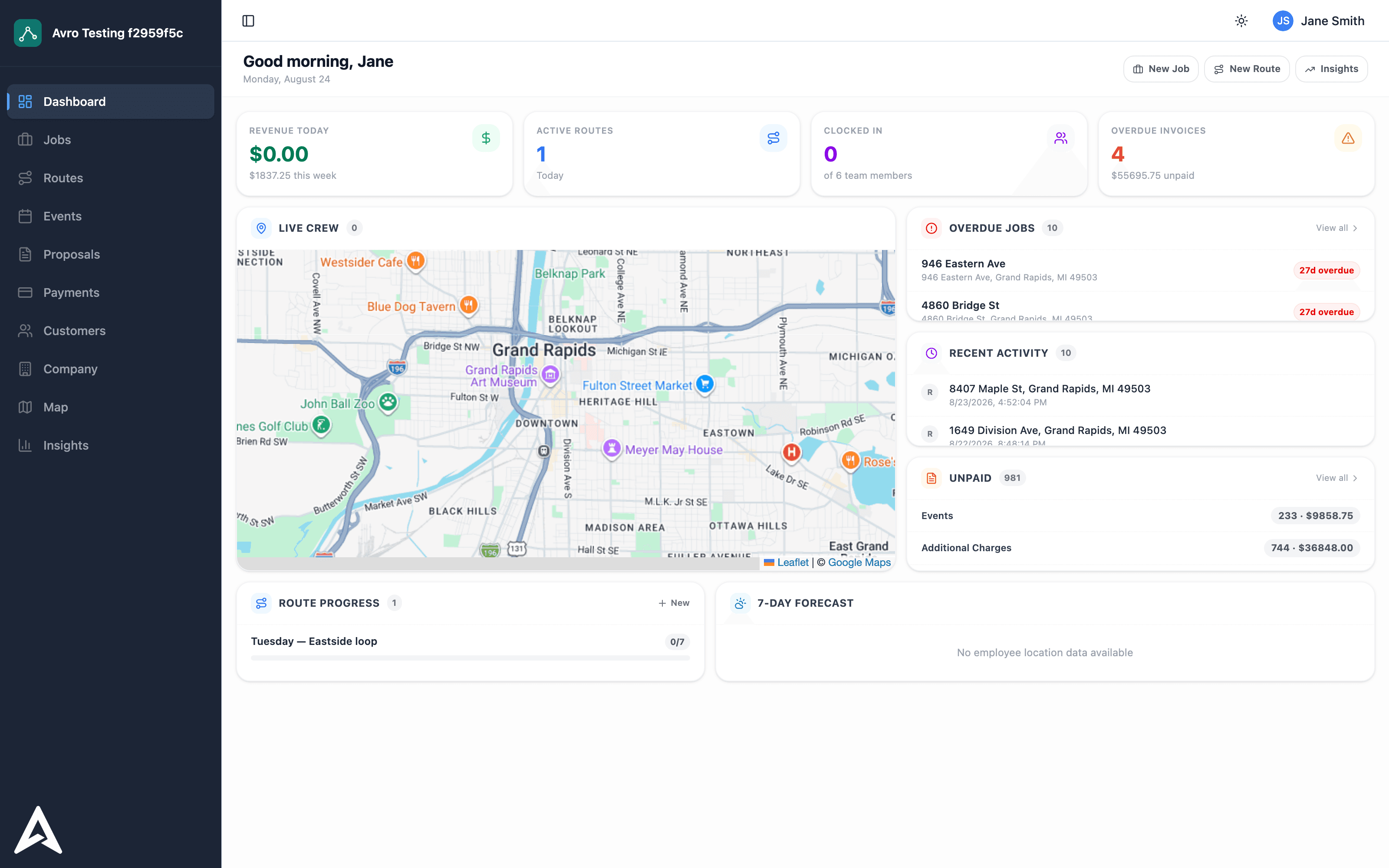
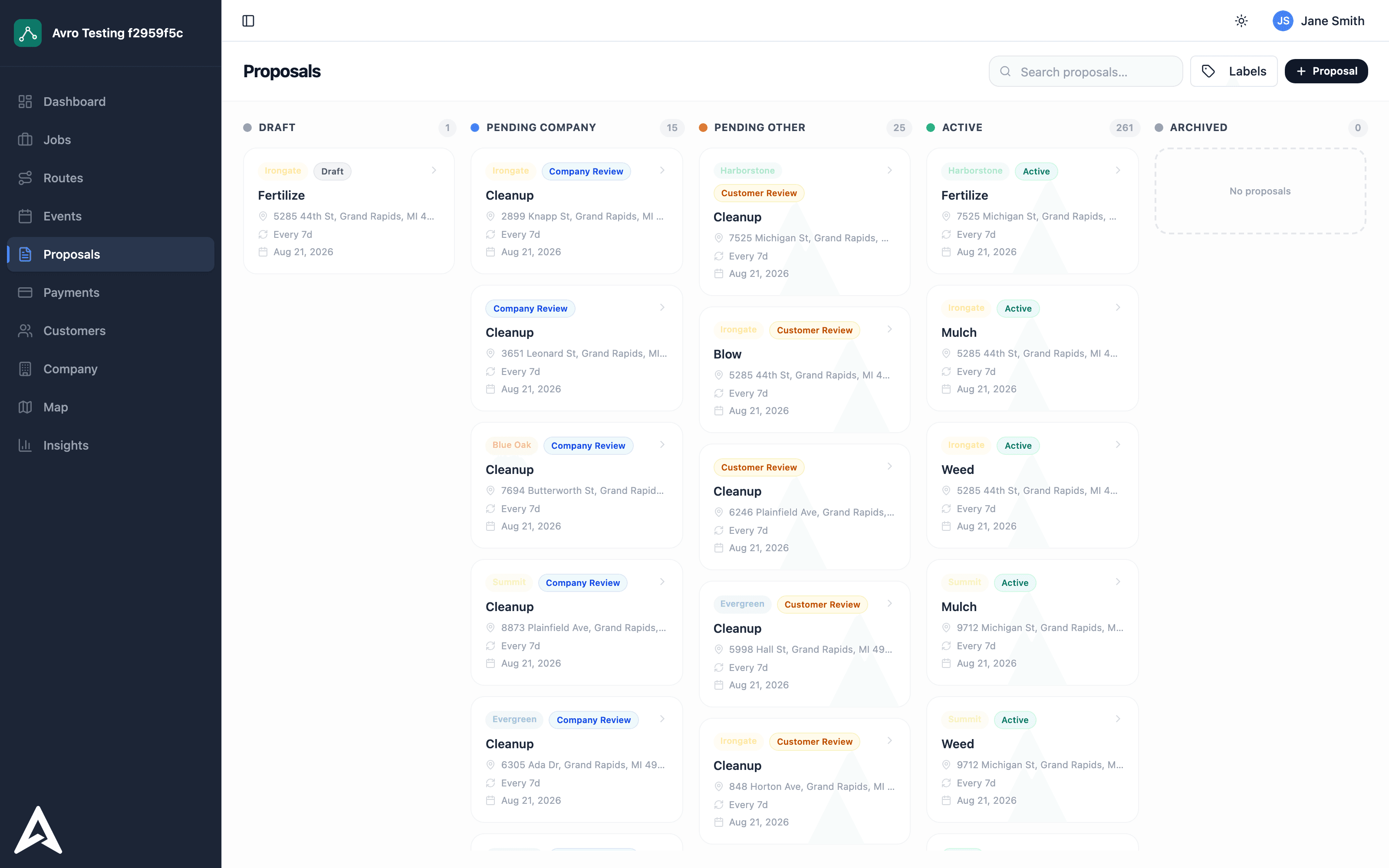
Unbilled work is a 100% margin loss. The one-off edging, the extra bag of leaves, the gate repair — if capturing it depends on someone remembering at the end of the month, you're donating labor. Work should become a billable line the moment it's completed, priced from a catalog, not from memory.
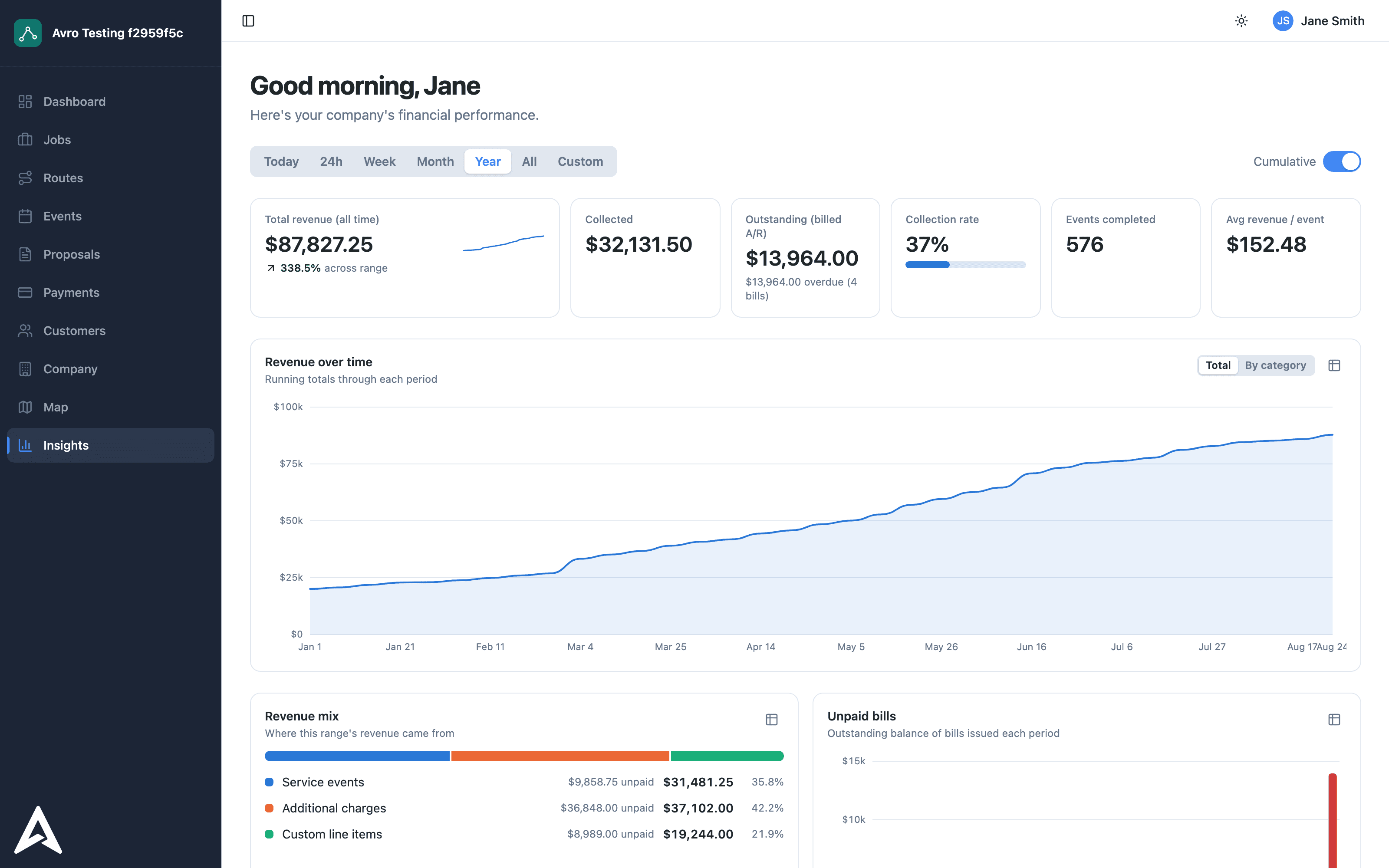
A monthly P&L tells you that you made money. It doesn't tell you that the Hillcrest HOA contract loses $200 every visit while three residential streets subsidize it. Revenue broken down by job, crew, and hour worked — against hours actually clocked — is how you find the contracts to reprice at renewal.
Margin isn't real until it's cash. Cards and ACH on file, invoices that go out the day work finishes, and autopay on recurring service shrink your receivables from sixty days to a handful — which is often the difference between financing payroll and not.
Once you know cost per stop, price raises stop being guesses. You'll find some customers were underpriced by 30% for years — and you'll have the service records to justify the letter.